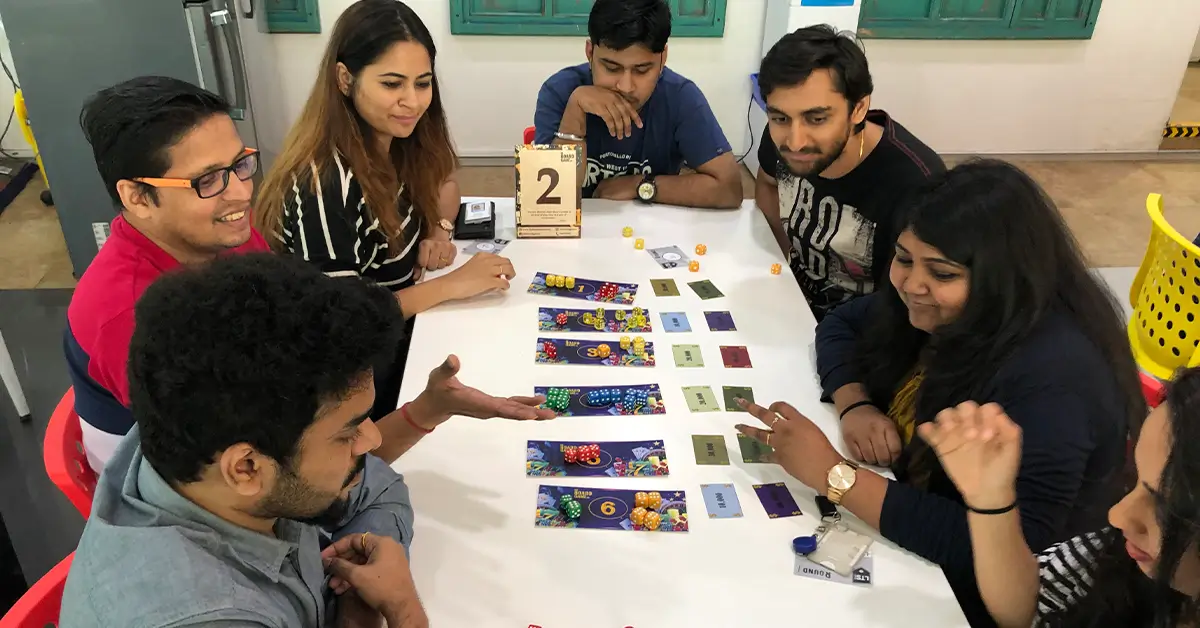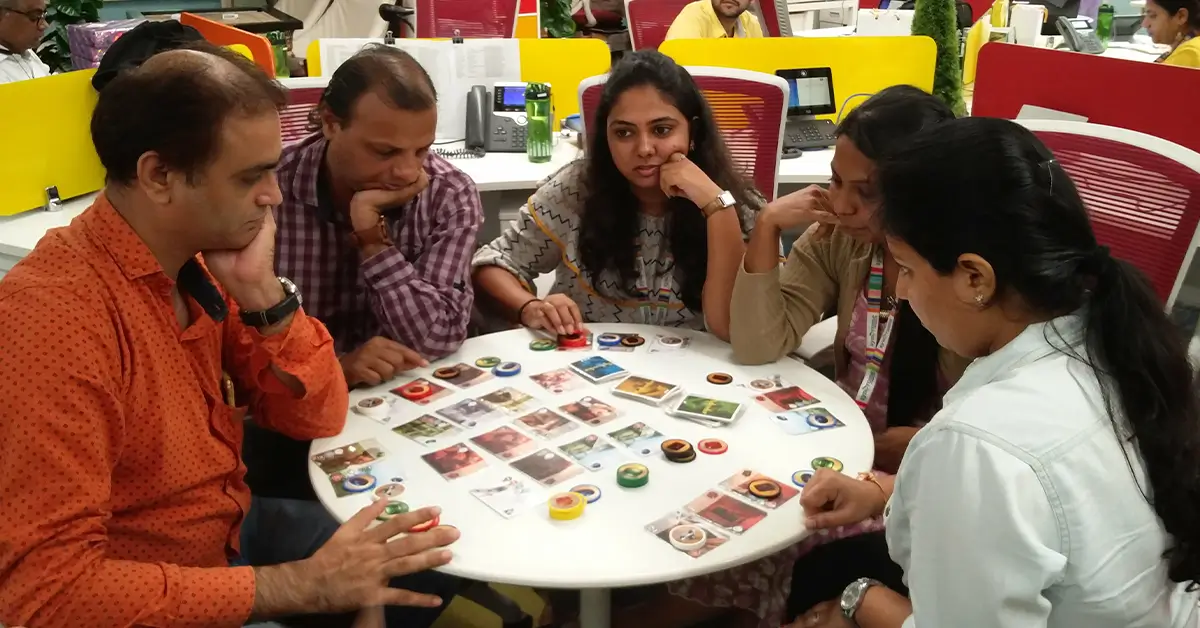
Team building often gets mistaken for loud icebreakers, high-energy games, and being “put on the spot.” While those formats work for some, they can feel draining or overwhelming for introverted employees. And that’s not a flaw, it’s simply a different way of engaging with the world.
Introverts tend to thrive in calm, structured, and low-pressure environments. They prefer depth over noise, reflection over performance, and meaningful connection over forced interaction. When team-building activities respect these preferences, introverts don’t just participate, they contribute thoughtfully and confidently.
The key is designing experiences that feel safe, optional, and intentional, where people can engage at their own pace and still feel genuinely connected to the team.
1. Silent Brainstorming Session
Instead of rapid-fire discussions, team members write ideas individually before sharing. This gives introverts time to think deeply and express themselves without interruption or pressure to speak first.
2. Small-Group Discussion Circles
Break teams into groups of 3–4 people with a clear topic or question. Smaller groups feel less intimidating and allow introverts to engage in thoughtful conversation without competing for airtime.
3. One-on-One Coffee Chats
Pair teammates for informal one-on-one conversations. These low-pressure interactions help introverts build genuine relationships without the overwhelm of group dynamics.
4. Anonymous Idea Box Activity
Create a physical or digital space where employees can submit ideas or feedback anonymously. This encourages honest input from those who may hesitate to speak up publicly.
5. Mindful Nature Walk
A slow, guided walk, indoors or outdoors, focused on reflection or light prompts. No forced conversation, just shared presence. Ideal for introverts who process best in calm environments.
6. Virtual Collaboration Boards
Use shared digital boards where participants contribute ideas, visuals, or thoughts asynchronously. This works especially well for introverts in remote or hybrid teams.
7. Guided Journaling Reflection
Provide prompts around work experiences, values, or team goals. Participants can reflect privately and choose what they want to share, if anything at all.
8. Puzzle-Solving Challenge
Quiet, logic-based puzzles or problem-solving activities allow introverts to engage through thinking rather than talking. Collaboration happens naturally through focus and strategy.
9. Creative Art Station
Set up a space for drawing, writing, or simple creative tasks. There’s no right or wrong outcome, just expression. Introverts often find creativity a comfortable way to connect.
10. Quiet Book or Podcast Club
Choose a book chapter or podcast episode and discuss it in a structured, calm format. Introverts tend to enjoy reflective discussions grounded in shared content.
11. Calm Room Team Retreat
Designate a quiet room during offsites or events where people can step away, reflect, or have softer conversations. This signals respect for different energy levels.
12. Introvert-Friendly Icebreaker Cards
Use written prompts instead of verbal games. Participants can answer quietly, in writing, or in pairs, making icebreakers feel intentional rather than performative.
13. Strength-Based Team Mapping
Have team members map their strengths, preferences, and working styles individually before sharing. This validates quieter strengths like listening, analysis, and focus.
14. Deep-Focus Co-Working Session
Schedule a shared focus block where the team works silently together, followed by a brief reflection. Introverts often bond through shared productivity rather than conversation.
15. Virtual Storytelling Prompts
Provide optional prompts for written or small-group storytelling. Participants can respond via chat, shared docs, or voice, choosing the format that feels most comfortable.
Final Thoughts
Introvert-friendly team building isn’t about doing less, it’s about doing things differently.
When teams create calm environments, offer choice-based participation, and prioritize depth over volume, introverted employees feel seen and respected. Over time, this builds confidence, trust, and meaningful workplace relationships.
Great team building doesn’t ask people to change who they are.
It creates space for everyone to show up as themselves.
FAQ’s
Why do introverts need different types of team-building activities?
Because they recharge through quiet reflection and meaningful interaction, not constant stimulation.
What are the best quiet team-building ideas for introverted employees?
Silent brainstorming, journaling, small-group discussions, and puzzle-based activities work well.
Are virtual team-building activities good for introverts?
Yes. Virtual formats often allow more control, reflection time, and reduced social pressure.
What are some small-group activities that work well for introverts?
One-on-one chats, discussion circles, and paired reflection exercises.
How can team building improve confidence for introverted employees?
By creating safe spaces where their ideas are valued without forcing performance.
What are low-energy team-building ideas introverts enjoy?
Creative activities, mindful walks, focus sessions, and reflective discussions.
How do you make team building more inclusive for introverts and shy staff?
Offer multiple ways to participate, avoid spotlighting, and allow silence.
Why do loud or high-energy activities feel overwhelming for introverts?
They drain mental energy and reduce the space needed for thoughtful processing.