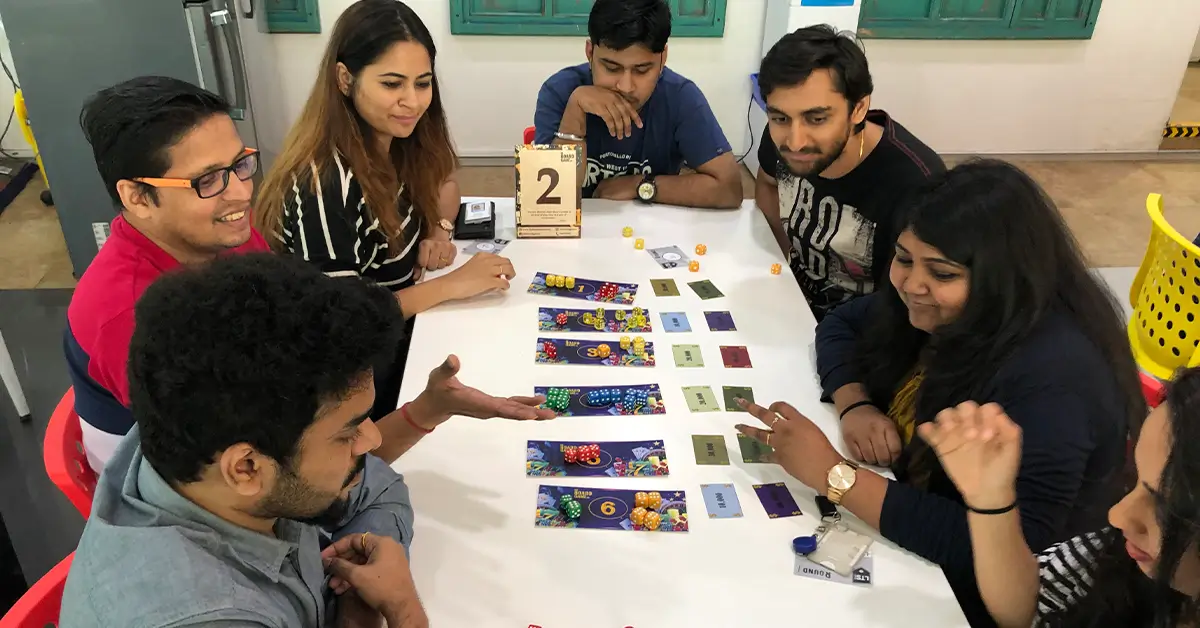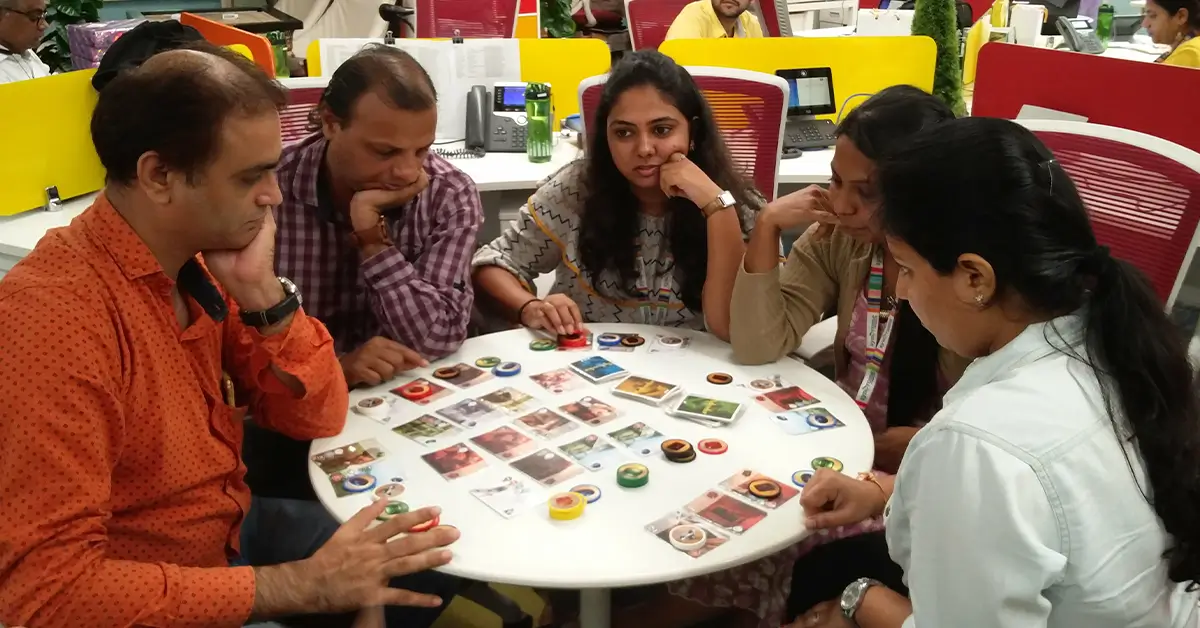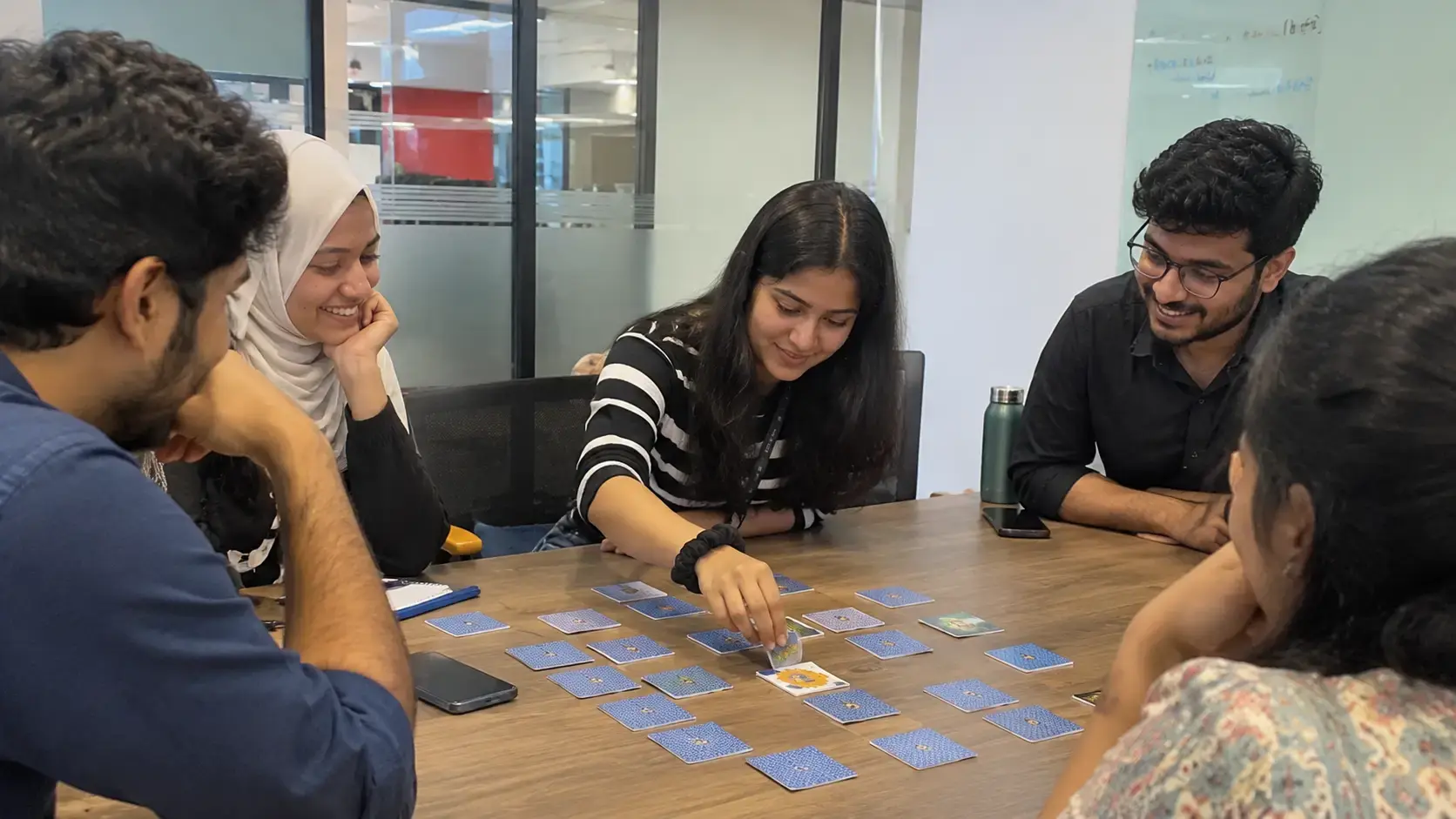
A good memory is useful in almost every part of life, from remembering important information at work to recalling names, instructions, and everyday details. But improving your memory does not have to feel like hard work. Memory games can turn brain training into something enjoyable, especially when you play them with other people.
For workplaces, memory-based activities can also become engaging team building games. They encourage employees to pay attention, communicate, collaborate, and think quickly while creating a fun environment. Whether you are planning a team session, looking for physical team building activities for employees, or simply want some entertaining brain games, these activities are easy to organize and suitable for different group sizes.
Why Are Memory Games Good for Teams?
Memory games challenge participants to observe, listen, remember, and respond. When played in teams, they add another layer because participants need to communicate their ideas and work together to reach the correct answer.
These activities can help improve:
- Concentration and attention
- Active listening
- Observation skills
- Communication
- Problem-solving
- Team collaboration
- Short-term memory
- Decision-making
Unlike traditional training exercises, fun team building activities such as memory challenges don’t always feel like training. Employees can participate, compete, laugh, and interact naturally while developing useful skills.
1. What’s Missing?
Place several everyday objects on a table and give participants a short amount of time to memorize them. Cover the objects and secretly remove one.
Now ask the teams to identify what is missing.
To make the challenge more competitive, give each team a limited amount of time to discuss its answer. The team that correctly identifies the missing object first earns a point.
This simple activity is one of the easiest memory games for adults and requires almost no preparation.
2. Memory Sequence Challenge
Create a sequence using numbers, colors, words, objects, or pictures. Show it to the participants for a few seconds and then hide it.
Teams must recreate the sequence in the correct order.
For example:
Red → Blue → Green → Yellow → Purple
Start with a short sequence and gradually make it longer. This makes the game more challenging as participants improve.
It is also a useful brain game for teams because everyone has to concentrate on the same information and communicate what they remember.
3. Memory Chain
Memory Chain is a classic game that becomes increasingly difficult with every turn.
The first participant says a word or creates a short sentence. The next participant repeats it and adds something new. Each person must remember everything that came before.
For example:
“I went to the market and bought an apple.”
The next participant might say:
“I went to the market and bought an apple and a notebook.”
Continue until someone forgets an item.
For workplace groups, you can use categories related to travel, food, movies, office life, or your industry.
4. Picture Recall
Show teams a picture containing several objects, people, colors, and details. Give them 30 to 60 seconds to study the image.
Remove the picture and ask questions about what they saw.
For example:
- How many objects were visible?
- What color was the chair?
- Where was the laptop?
- How many people were in the picture?
- What object was next to the clock?
Different team members may remember different details, so they need to combine their observations. This makes Picture Recall a great team building activity for improving communication and attention.
5. Who Said That?
This game combines memory with team interaction.
Ask each participant to share one interesting fact about themselves. It could be something simple such as a hobby, a travel experience, or a unique skill.
After everyone has shared their fact, read the facts again without revealing the names.
Teams must remember who said what.
This is particularly useful for new teams because it helps employees learn more about their colleagues while playing an engaging memory game.
6. Memory Tray Challenge
Place 10 to 20 objects on a tray and give participants one minute to memorize them. Cover the tray and ask each team to write down as many objects as they can remember.
To increase the difficulty, ask additional questions about the objects’ positions.
For example:
What was next to the notebook?
Which object was in the center?
Where was the coffee mug?
This activity works well as a quick workplace brain game because it can be completed in a short amount of time.
7. Story Recall
Instead of remembering individual objects, participants have to remember details from a short story.
Read a story to the group and include several specific details such as names, places, numbers, colors, or actions.
Afterward, ask questions about the story.
For example, if the story mentioned someone visiting a café at 5 PM and ordering coffee, teams may need to remember the person’s name, time, location, and order.
Story Recall encourages active listening, making it useful for both entertainment and workplace team building.
8. Memory Movement Challenge
Memory games don’t always have to involve sitting around a table.
One participant performs a simple movement, such as clapping or tapping their hands. The next participant repeats it and adds another movement.
The sequence continues until someone forgets the previous movements.
For example:
Clap → Tap → Raise Hands → Snap → Turn
This energetic activity can be included in physical team building activities and is especially useful when you want participants to move around and interact.
How to Make Memory Games More Engaging
The key to successful memory games is keeping the challenge enjoyable. Avoid making every activity extremely difficult. Start with simple challenges and increase the difficulty gradually.
You can also:
- Divide participants into small teams
- Use a scoring system
- Add time limits
- Introduce bonus rounds
- Use workplace-related topics
- Mix physical and mental challenges
- Give small rewards to winning teams
Most importantly, focus on participation rather than simply finding a winner. The goal of team building games is to create opportunities for people to communicate, collaborate, and enjoy working together.
Turn Memory Training Into Team Building Fun
Memory games can be much more than individual brain exercises. When designed for groups, they become engaging team building activities that encourage concentration, communication, collaboration, and quick thinking.
From simple object-recall challenges to energetic memory relays, there are plenty of ways to make these activities suitable for offices, corporate teams, workshops, and virtual groups.
If you’re looking for more fun team building games for employees, explore different challenges that encourage teams to think together, communicate better, and have fun while doing it. The right activity can turn a simple game into an experience your team remembers long after the game is over.
FAQs
What are memory games?
Memory games are activities designed to challenge recall, concentration, observation, and attention. They can be played individually or as fun team building activities.
Are memory games suitable for adults?
Yes. Memory games for adults can be adapted to different difficulty levels and are suitable for workplaces, corporate teams, workshops, and social groups.
How do memory games help teams?
Memory games encourage active listening, communication, concentration, collaboration, and quick thinking, making them useful team building games for employees.
What are some easy memory games for teams?
What’s Missing, Memory Chain, Picture Recall, Memory Tray Challenge, and Story Recall are simple options that require minimal preparation.
Can memory games be played in the workplace?
Yes. Workplace memory games can be used during team sessions, meetings, employee engagement activities, or corporate team building programs.
How many people can play memory games together?
Most memory games can be adapted for small or large groups. For larger teams, participants can be divided into smaller groups to make the activities more interactive.
Can memory games be used as team building activities?
Absolutely. When played in groups, memory games can encourage employees to communicate, share information, solve challenges together, and build stronger team connections.
Are memory games suitable for virtual teams?
Yes. Many memory games can be adapted for virtual team building activities using video calls, images, sequences, quizzes, and online collaboration tools.
How can you make memory games more challenging?
You can increase the number of items, reduce the time available to memorize information, introduce time limits, add multiple rounds, or ask teams to remember information in reverse order.
What skills can employees develop through memory games?
Memory games can encourage concentration, active listening, observation, communication, collaboration, problem-solving, and decision-making skills while keeping team building sessions fun.